Democrats Take Both Chambers, Trump Names Miller Chief of Staff After Historic Losses
The GOP lost control of the House and Senate in a wave election, prompting President Trump to install Stephen Miller as White House chief of staff and court Dana White for a press secretary role.
By Renata Mehta ·
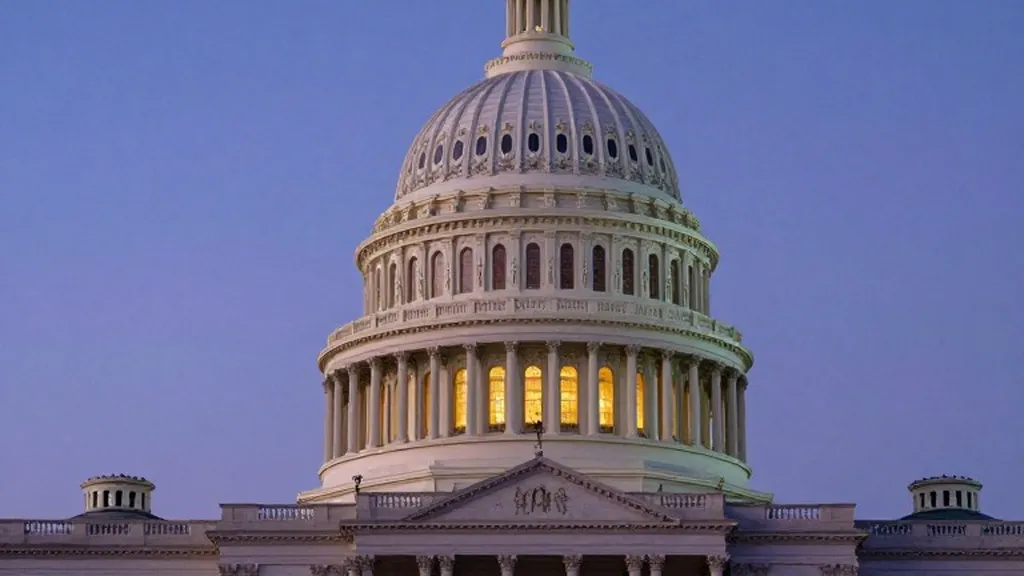
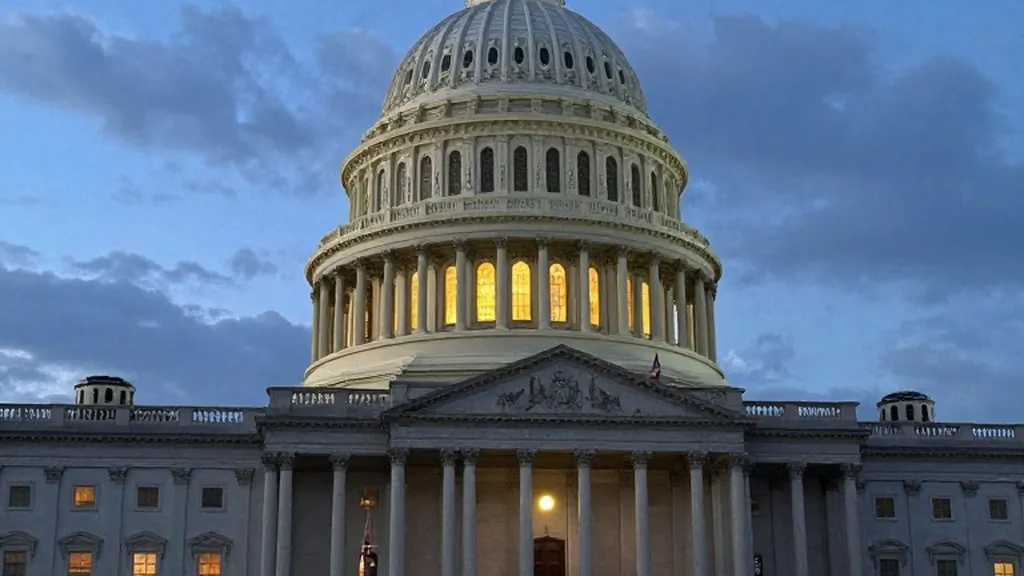
President Donald Trump has moved to reshape his administration's leadership following a decisive defeat for his party in the November 3 midterm elections. The Associated Press and Ballotpedia data confirm that Democrats have secured majorities in both the U.S. House and the U.S. Senate, ending Republican control of Congress. This shift marks a significant check on the president's agenda and sets the stage for a period of intense legislative negotiation between the White House and a newly empowered Democratic opposition.
The final tallies indicate that Democrats picked up at least 43 House seats and seven Senate seats, all of which were previously held by Republicans. As of the latest reports, the House majority for Democrats stands at at least 250 to 157, while the Senate majority is at least 54 to 44. This net loss of seven Senate seats places the 2026 election in the top 20% of election years in terms of seat swings against the president's party. While the House losses fall just short of the threshold for a defined wave election, the overall trajectory represents a substantial shift in the balance of power in Washington.
In response to these results, President Trump announced on Friday that he is replacing longtime adviser Susie Wiles with Stephen Miller as the next White House chief of staff. Miller is widely recognized as the architect of the administration's hard-line immigration policies and is considered one of the most determined figures in Trump's inner circle. This appointment signals a potential intensification of the president's focus on border security and enforcement, areas that remained central to the campaign narrative despite the party's losses. The transition follows a brief and turbulent week where the administration struggled to maintain a consistent public face.
The change in leadership comes at a time when the White House is already grappling with a vacancy in the press secretary role. The post had been empty since Karoline Leavitt departed at the end of August. A recent attempt to fill the gap with Katie Zacharia lasted only five days before she left the position. On Saturday, President Trump posted on social media that he has offered the job to UFC boss Dana White, describing him as a violent fighter and warrior. Trump suggested that White bring along several UFC fighters as assistants to help defend the administration against what he termed the Lunatic Left. The White House did not immediately confirm the offer, and White was in London on Saturday for a boxing event.
This personnel shake-up occurs against the backdrop of a broader political realignment. Democrats have won a plurality of state government trifectas and a majority of governorships for the first time since before the 2010 elections. In the 44 states where trifecta status was decided, 20 are now under Democratic control, 16 remain Republican, and 8 are divided. Five governorships changed party control, all shifting from Republicans to Democrats. This expansion of state-level power provides Democratic leaders with additional leverage as they prepare to confront the White House on budget, infrastructure, and regulatory matters.
President Trump remains without a chief spokesperson as he navigates this new political landscape. His close friendship with Dana White has been evident since his return to the White House in January 2025, including a celebratory event on the South Lawn in June for America's 250th anniversary of independence and Trump's 80th birthday. During that event, a wire-mesh Octagon was constructed near the executive mansion. White spoke at the Republican National Conventions in 2016, 2020, and 2024, establishing a long-standing relationship with the party. The offer to White is seen as an unconventional move that reflects the president's desire for a distinct and assertive voice in the press briefing room.
The election results also highlight the changing dynamics in key states. In Mississippi, Democrat Scott Colom is still counting ballots in a race that could make him the first Black senator from the state since Reconstruction. Colom has not yet been declared the winner, but local officials are examining absentee and provisional ballots. Republican Senator Cindy Hyde-Smith has not appeared publicly since election night, posting on social media that the election is not over and that her team is monitoring the remaining ballots. This race remains a focal point for national observers as it could further solidify Democratic control of the Senate.
Meanwhile, the administration faces ongoing legal challenges in Washington. A federal judge has appointed a former U.S. attorney to investigate whether government officials misled the court in a lawsuit over the renovation of the East Potomac Golf Course. The judge, Ana Reyes, is examining whether Interior Department and National Park Service officials violated ethics standards. The administration plans to close the course on November 15 to begin construction on a championship-level facility. This legal dispute adds another layer of complexity to the president's domestic agenda as he works to implement his signature projects in the capital.
First Lady Melania Trump is continuing to promote her Fostering the Future initiative, announcing a multimillion dollar partnership with Louisiana State University on Saturday. The program provides scholarships for students who came through the foster care system, with more than $7 million in private donations secured to create an endowment fund. This effort reflects the first lady's long-standing commitment to education and support for young people in the foster care system, a cause she has championed since creating the program after the president's first term. The initiative now supports 100 students across 26 schools.