New Congress Targets AI Spending and Debt as Markets Watch
Democrats aim to rein in infrastructure costs and trade policy after a sweeping midterm victory reshapes Washington's economic agenda.
By Renata Mehta ·
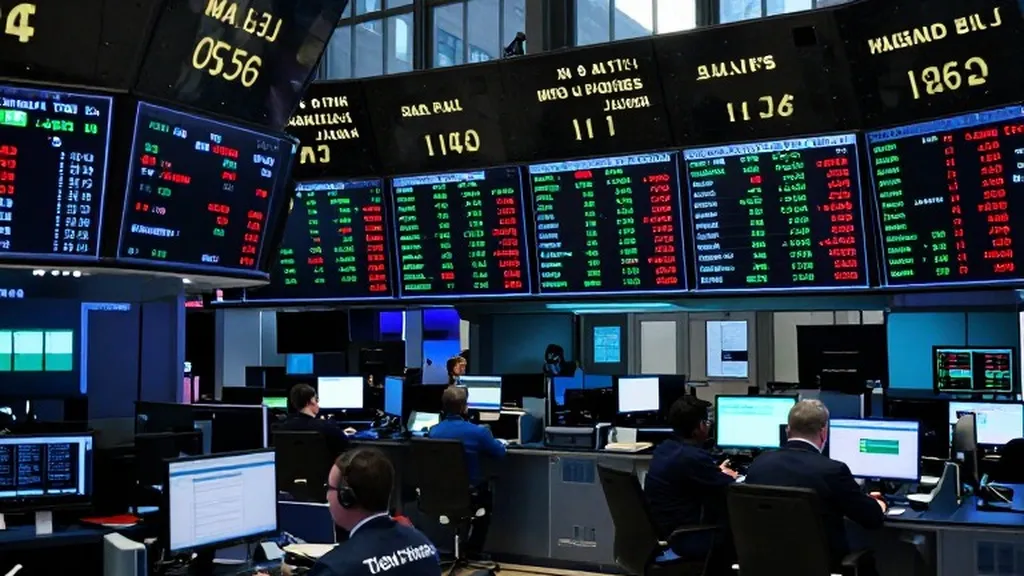
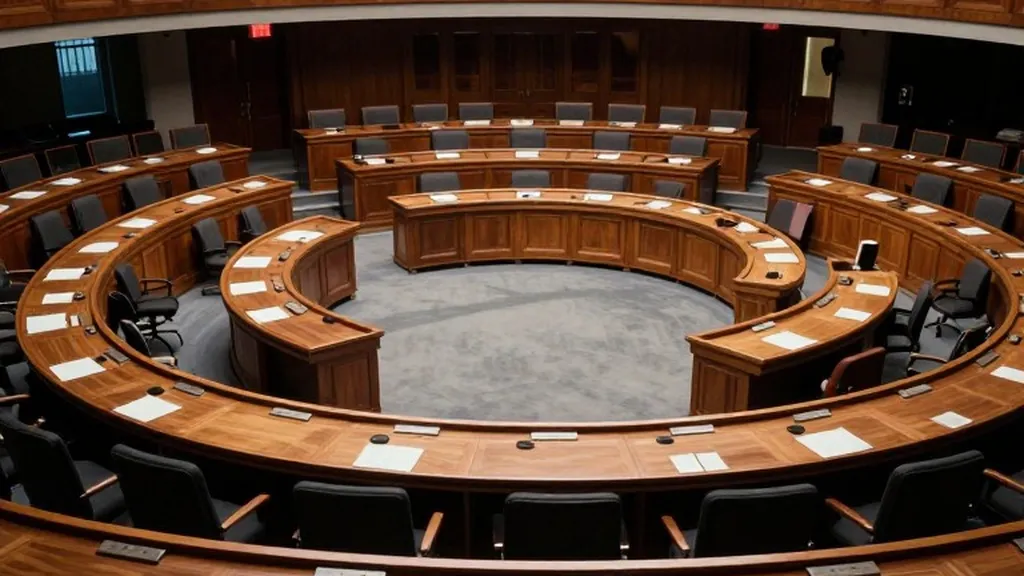
Wall Street is closely monitoring the shift in congressional power following Tuesday's midterm elections, where Democrats secured majorities in both the U.S. House and the U.S. Senate. According to election data, Democrats won at least 250 House seats and 54 Senate seats, marking a significant change from the Republican-led Congress that previously focused on promoting artificial intelligence development. This new majority is expected to bring a different approach to fiscal policy, trade relations, and the management of the national debt.
One of the immediate priorities for the incoming Democratic leadership is the cost of data centers and other infrastructure projects. The Senate is set to take up bipartisan legislation aimed at speeding up permitting reviews for these facilities. This action represents the first major legislative step since the election that soundly repudiated the previous administration's approach. Investors are watching this move closely, as the speed and cost of building AI infrastructure have become central to market valuations for major technology companies.
The financial stakes are high as the new Congress prepares to address the debt ceiling and broader economic assumptions. Many economic playbooks that shaped investor thinking for decades may no longer apply in this new political landscape. Democratic leaders have signaled an intent to use their oversight and appropriations powers to push back against executive branch decisions that have affected federal spending and student loan oversight. This includes exploring conditions on spending bills to establish guardrails around federal funding.
Trade policy is another area where the new Congress is expected to exert influence. President Donald Trump is slated to meet with Chinese leader Xi Jinping in Shenzhen, China, at the Asia-Pacific Economic Cooperation summit. While the President suggested he might not bring up recent intelligence matters with Xi, the geopolitical stakes remain high. Nvidia, one of the world's most valuable publicly traded companies, has been at the center of this trade dynamic, with its chip sales to China often targeted by U.S. regulators seeking to limit Beijing's access to advanced technology.
The recent emergence of allegations involving Nvidia CEO Jensen Huang has added a layer of complexity to these trade discussions. President Trump stated at a White House briefing that the FBI is looking into the situation, suggesting that Huang will be in good shape. Huang acknowledged the situation in an open letter, stating that he supports the investigation and will cooperate fully. China's Ministry of Foreign Affairs spokesperson Guo Jiakun described the spying allegations as unsubstantiated and a smear campaign against Beijing. These developments create new concerns about whether China has accessed cutting-edge chips powering AI development.
Market reactions have been visible, with Nvidia shares dropping roughly 5% in pre-market trading early Monday following the news. The incident highlights the sensitivity of the U.S.-China relationship in the tech sector. George Chen, a partner at The Asia Group, noted that the key questions are whether Huang was aware of any espionage activities and whether confidential information was compromised. He emphasized that these questions require evidence rather than speculation, a sentiment that resonates with investors wary of geopolitical risks affecting supply chains.
Domestically, the new Congress is also focused on the cost of living, which was a dominant issue for voters. The AP Voter Poll found that three-quarters of voters say the economy is not so good or poor, and about 8 in 10 say inflation has caused a severe or moderate financial hardship. Democratic leaders, including Rep. Bobby Scott of Virginia, plan to use investigative powers to review federal agency actions, including the dismantling of the U.S. Education Department. Scott said he plans to leave no rock unturned as he takes the helm of the panel's investigative powers.
The shift in power also affects state-level economies. Democrats won a majority of governorships for the first time since before the 2010 elections, with 22 Democratic governors and 12 Republican governors as of the latest results. This change in state leadership could influence how federal funds are distributed and how state budgets are managed. In California, Xavier Becerra was elected governor, becoming the state's first elected Latino governor and the fifth consecutive Catholic governor. His election highlights the complex political dynamics of the state, which is home to more Catholics than any other U.S. state.
The new Congress faces the challenge of translating its election victory into tangible achievements. The Senate is expected to move quickly on infrastructure and AI-related bills, while the House will focus on oversight and appropriations. With Democrats controlling both chambers until the new Congress convenes in January, there is a window of opportunity to pass legislation that addresses voter concerns about prices and government efficiency. However, President Trump has threatened to use his veto power, which may limit the scope of legislative countermeasures.
As the new Congress gets to work, the global community will be watching how the U.S. handles its debt ceiling and trade relationships. The combination of AI spending, trade negotiations with China, and domestic economic policy will define the next phase of the U.S. economic trajectory. For now, the focus remains on the immediate legislative agenda, with the Senate set to act on data center permitting and the House preparing for oversight hearings on federal agency operations.
The election results have set the stage for a new era in American politics, with Democrats holding the keys to the legislative process. The coming weeks will test the ability of the new Congress to deliver on its promises to lower the cost of living and rein in executive branch actions. As markets adjust to the new political reality, the focus will remain on the specific policies that are enacted and their impact on the broader economy.