Democrats take Congress with grocery price relief as top priority
Voters cited high food costs as a key reason for the shift in power, setting the stage for a potential clash with the White House over tariffs and trade policy.
By Grace Almasi ·
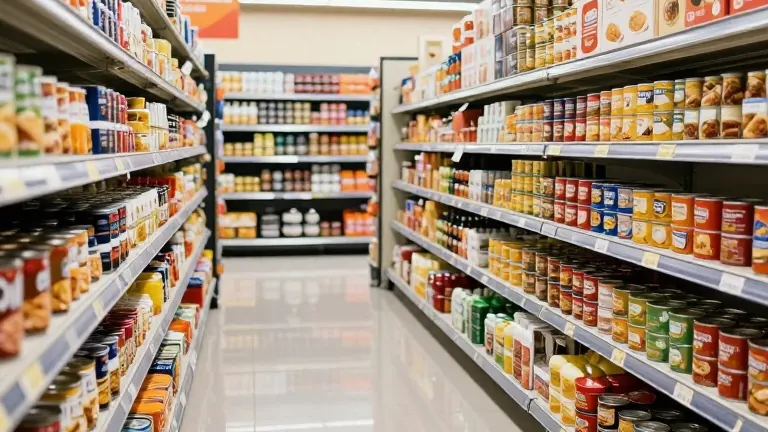
Grocery prices became the defining economic issue of the midterms, driving voters to hand Democrats control of both chambers of Congress on Tuesday.
The shift in power gives the party a new mandate to address the cost of living, a promise that was central to their campaign messaging over the past several months.
House Democratic Leader Hakeem Jeffries told NPR on Friday that the incoming majority will make lowering prices a top priority in January.
He described the election result as a strong rebuke of what he called MAGA extremism, arguing that the previous administration made life more expensive for everyday Americans despite early promises to reduce costs.
The political challenge ahead is substantial. President Trump retains his veto power, and Senate Democrats do not hold a filibuster-proof majority.
Tariffs remain a primary target for Democratic lawmakers. These duties have increased the cost of imported foods and beverages while also raising expenses for machine parts and packaging used by the domestic food industry.
The war in Iran has compounded the problem by spiking energy prices and disrupting the global fertilizer trade through the closure of the Strait of Hormuz.
Lehigh University political science professor Chris Borick noted that while the president likely wants to lower grocery costs, there is significant distance between the two sides on the specific tools available to achieve that goal.
Incoming senators have outlined several legislative proposals. James Talarico of Texas plans to protect federal food assistance programs WIC and SNAP from cuts.
Adam Hamilton of Kansas supports a national ban on dynamic pricing in grocery stores, while Roy Cooper of North Carolina and other candidates vowed to block mergers in the food industry.
Democrats also gained ground in statehouses, with at least 28 states electing Democratic governors and ten state legislative chambers flipping to party control.
State leaders are preparing their own relief measures. Georgia’s Keisha Lance Bottoms proposed allowing localities to eliminate sales taxes on groceries, baby formula, and diapers.