Democrats Take Control of Both Chambers as Native Leaders Make History
Election results show Democrats winning majorities in the House and Senate, while a wave of firsts reshapes tribal and state leadership.
By Renata Mehta ·
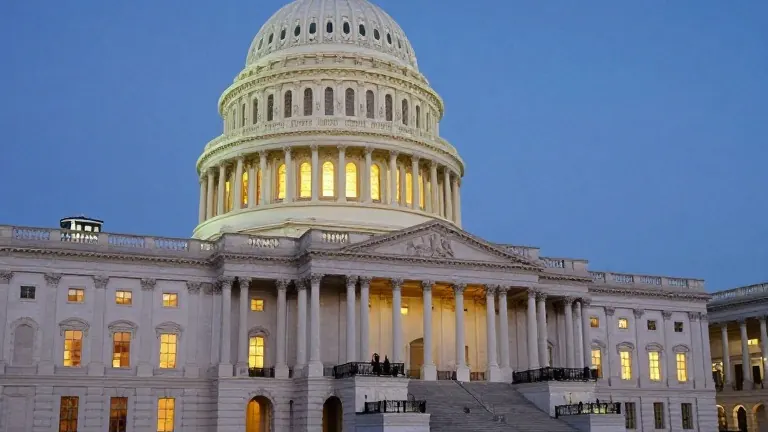
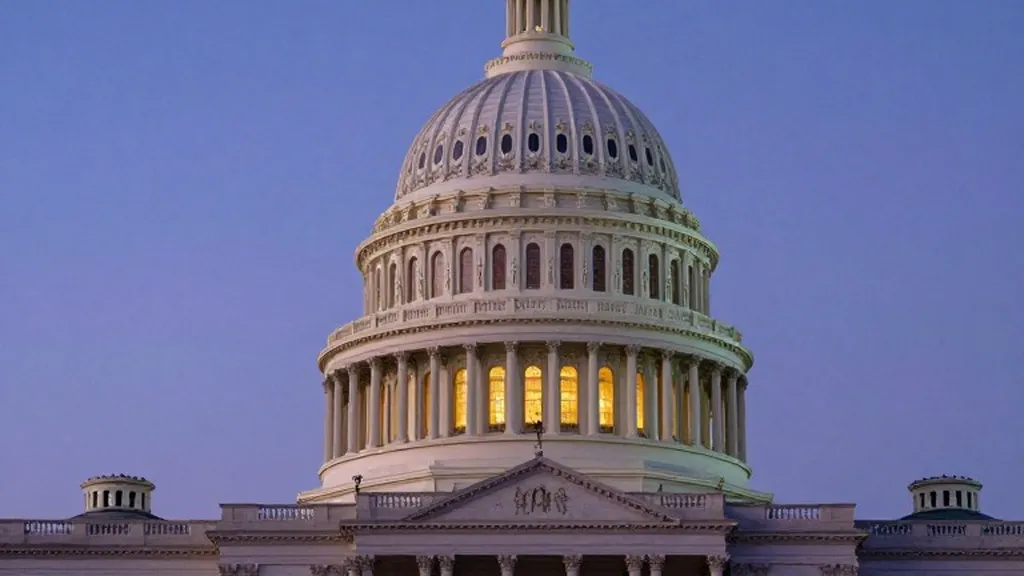
The 2026 midterm elections have concluded with Democrats securing control of both chambers of Congress, a result that sets the stage for an immediate and intense confrontation with the White House. The shift in power is not just a partisan change but a mandate for oversight, as the new congressional leadership has already signaled plans for aggressive investigations into the executive branch. For voters who prioritized checks and balances, the results offer a clear path to hold the administration accountable in the coming two years.
President Donald Trump reacted to the losses by taking a combative stance toward the incoming Democratic leadership. He declared that the investigative requests already made by Democrats are "extortion at the highest level" and that they should be held accountable. Attorney General Todd Blanche echoed this sentiment, stating that criminal investigations of Democrats are possible if they threaten existing members of the administration or companies. This early rhetoric suggests that the next two years will be defined by a test of Congress's power to check the presidency.
In the House, Rep. Robert Garcia of California is poised to chair the powerful Oversight Committee and has promised a fight. He stated that the days of not fighting back are over and that Democrats are not going to be intimidated. Meanwhile, Hakeem Jeffries of New York, who is on the cusp of becoming the nation's first Black House speaker, has made clear that impeachment is an option for those who have shortchanged the American people. Jeffries also expressed support for a pending resolution to impeach Defense Secretary Pete Hegseth, saying that Hegseth has got to go.
Despite the unified front on accountability, there is some tension within the Democratic ranks regarding strategy. Sen. Bernie Sanders of Vermont, who caucuses with Democrats, warned that the party cannot spend all its time investigating the president. He emphasized the need to stand up for working-class families and make a real difference in their lives. Similarly, Sen. elect Adam Hamilton of Kansas, the first Democrat elected to the Senate from that state in 94 years, expressed skepticism about impeachment, noting that his campaign was about bringing people together rather than dividing the country further.
The election results also brought a wave of historic firsts for Native American women in politics. Crystalyne Curley was elected the first woman president of the Navajo Nation, narrowly defeating attorney Justin Jones in unofficial results. Curley, who previously served as the first female speaker of the tribal council, plans to transition the nation away from coal development and reassert its role in federal Indian policy. Her victory is seen as a turning point for Native women, whose leadership has rarely translated to formal political power in the past.
In the Senate, Democrat Peggy Flanagan of Minnesota became the first Native American woman elected to the chamber. A citizen of the White Earth Nation, Flanagan credited the support of Native women for her victory, stating that she could not run for the U.S. Senate without them. She will join Oklahoma Republican Sen. Tom Cole, a citizen of the Chickasaw Nation, as one of the few Native people to serve in the chamber. Her win adds to a growing presence of Native Americans in Congress, including Kansas Democrat Sharice Davids and Oklahoma Republican Josh Brecheen, who both won reelection to the House.
In New Mexico, Deb Haaland made history by becoming the first Native American woman to win a state governorship. A Laguna Pueblo citizen and former Interior Secretary, Haaland is tasked with making life more affordable for New Mexicans and addressing poor education outcomes. She described her victory as a long time coming, noting that it matters that people feel represented in their government. Her win continues a political career defined by breaking barriers, from being one of the first two Native women elected to Congress to leading a U.S. Cabinet agency.
The election cycle also saw significant activity in the House of Representatives. New York Democrat Claire Valdez, a citizen of Ysleta del Sur Pueblo, and Michigan Democrat Sean McCann, a citizen of the Citizen Potawatomi Nation, became the first Native Americans elected to represent their states in Congress. These results reflect a broader trend of Native women gaining political power, a shift that strategist Jordan James Harvill described as a seismic change in their communities. He noted that decades of political organizing are finally bearing fruit as more Native women run for and win office.
For the conservative base, the results are a reminder of the importance of turnout and the ongoing battle for the soul of the country. While Democrats hold the majority in Congress, the race for the presidency and key state offices remains a central focus for the party. The new congressional leadership has promised to prioritize the economy and border security, issues that were central to the midterm campaign. The coming months will test whether Democrats can deliver on these promises while navigating a contentious relationship with the White House.
The election results also highlighted the growing influence of specific constituencies, such as survivors of sexual abuse, who are increasingly organizing as a political force. In Ohio, Democrat Amy Acton won the governor's race by eight points, a significant victory in a state where her party has not held the governor's mansion in nearly 20 years. Her win comes after a contentious campaign that included a high-profile attack ad from Republican Vivek Ramaswamy. Acton's victory is seen as a boost for the movement to protect survivors and pass legislation that addresses the barriers they face in seeking justice.