Johnson County begins hand-count audit of six close Kansas races
Election officials are manually recounting ballots in 10% of precincts to verify outcomes in contests decided by less than one percent of the vote.
By Grace Almasi ·
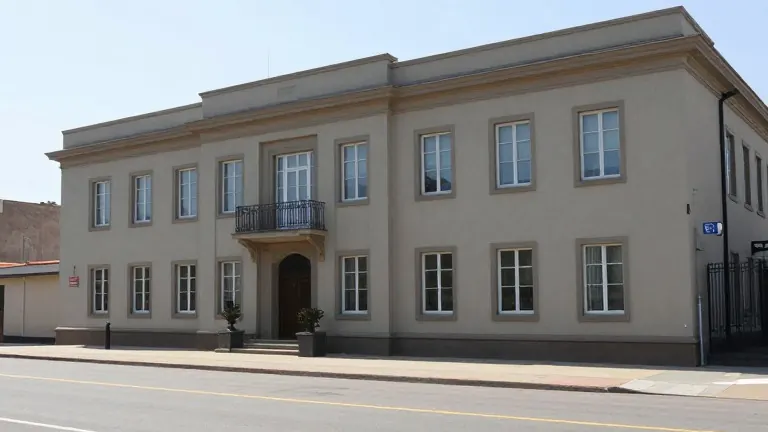
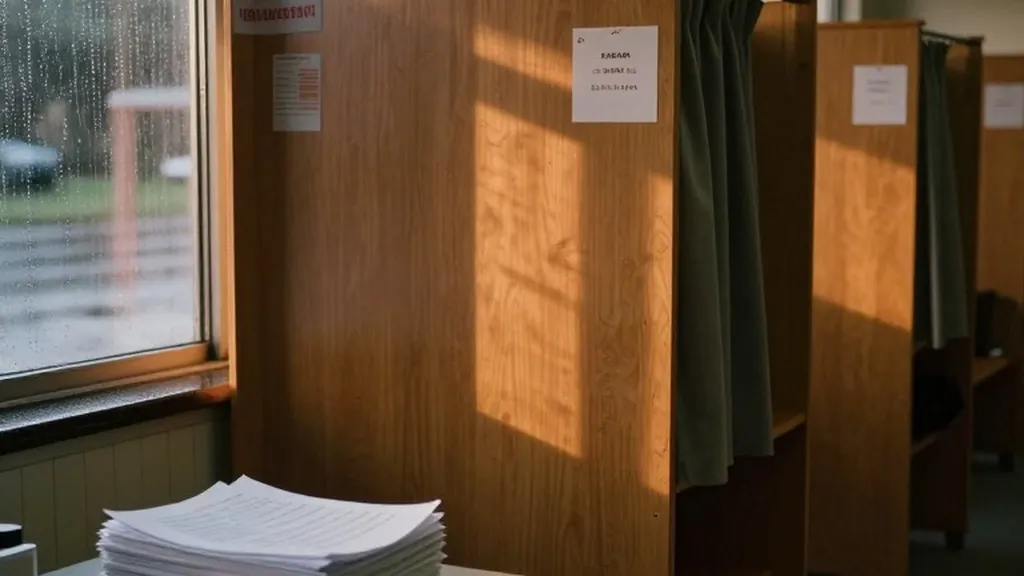
The Johnson County Election Office is processing 300,000 ballots cast in the recent midterm elections. Of that total, auditors are currently locating and hand-counting 125,000 specific ballots. This mandatory recount is triggered because six statewide and local races finished with a margin of less than one percent of the total vote.
The contests under review include the races for governor, secretary of state, and attorney general. The audit also covers House Districts 27, 40, and 117. Election Commissioner Connie Schmidt described the task as a complex logistical operation. She compared the process to finding a needle in a haystack, noting that workers must identify specific precinct ballots within the larger pool of votes.
Schmidt said approximately 150 to 160 election workers are assigned to this effort. The county law requires bipartisan teams for the count. Each team consists of one Democrat and one Republican. These pairs count the ballots together in a public setting. The audit covers 10% of the county's precincts. Schmidt stated that the process is designed to take at least two days to complete.
The audit serves as a statutory safeguard in Kansas. Schmidt emphasized that the goal is to prove the outcome of the votes. She said the transparency of the process is essential for public confidence. Workers are currently in the phase of locating the required ballots. Once found, the boxes move to audit boards for final tallying. An audit-team lead must confirm each tally before it is recorded.
David Buehler, a state representative running for re-election in Leavenworth County District 40, is one of the candidates in a race facing this audit. He acknowledged the unusual closeness of the elections. Buehler stated that he trusts the process despite the tight margin. He noted that few observers predicted so many races would fall within one percentage point of each other.
Wayne Bridges, an audit observer and former polling place worker, attended the session on Monday. He described the open nature of the audit as a positive development for public trust. Bridges said his prior experience at polling places helped him understand the mechanics of the count. He observed that small shifts in voter numbers, such as 25 or 50 people, can determine the winner in these tight contests.
The county expects to finish the hand count by Tuesday night. The results will then be sent to the secretary of state's office. The county canvass board is scheduled to meet at 9 a.m. on Friday to review provisional ballots. They will reconvene at 9 a.m. the following Monday to certify the final numbers. This certification will include all provisional votes cast during the election.
Schmidt called the operation a functioning plan that demonstrates democracy in action. She noted that most of the required ballots have already been located. The remaining work involves finalizing the tallies on the audit-board side. The process is moving according to the schedule established by election officials.