Midterm Win Sets Stage for Grocery Price Battle
New Congressional leaders face a divided executive branch and rising energy costs as they attempt to reverse food price spikes.
By Amit Chukwu ·
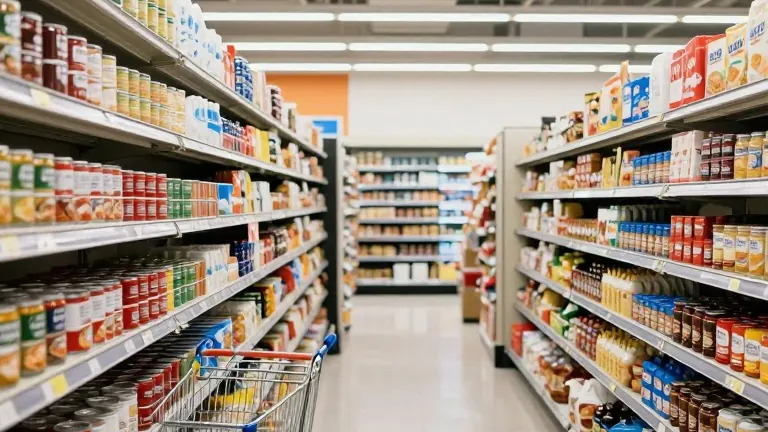
Democratic candidates secured control of both chambers of the U.S. Congress on Tuesday, a victory driven largely by voter concern over the rising cost of groceries. The shift in power places affordability at the center of the legislative agenda for the incoming session, with party leaders promising to make reducing household food expenses a top priority starting in January.
House Democratic Leader Hakeem Jeffries described the election results as a direct response to economic strain that had weighed on voters for months. He told NPR on Friday that the new majority would focus on correcting what he called the high cost of living, framing the win as a rebuke to policies that had made everyday life more expensive.
The path to lower prices remains complicated by the presence of President Trump in the Oval Office, who retains veto power and has not signaled a readiness to abandon his signature economic strategies. Senate Democrats will not hold a filibuster-proof majority, limiting their ability to force through legislation over executive objections. Two specific drivers of food inflation present particular challenges: the administration's trade tariffs and the ongoing conflict in Iran.
Trade policy has raised the cost of imported foods and beverages while increasing the price of industrial inputs like machine parts and packaging. Simultaneously, the war in Iran has pushed energy prices upward, raising transportation costs for goods across the economy. The closure of the Strait of Hormuz also disrupted global fertilizer trade, further inflating agricultural input costs. Democrats intend to roll back these tariffs, but President Trump has shown little appetite for reversing these measures or the immigration crackdowns that have contributed to farm labor shortages.
Several incoming senators have introduced specific proposals to address these issues. James Talarico of Texas plans to defend federal food assistance programs like WIC and SNAP against current administrative changes. Adam Hamilton of Kansas supports a national ban on dynamic pricing in grocery stores. Roy Cooper of North Carolina and other candidates have vowed to block mergers in the food industry that they argue drive up consumer prices.
State governments are also moving to intervene in the market. At least 28 states will have Democratic governors next year, according to the National Conference of State Legislatures. In Georgia, incoming Governor Keisha Lance Bottoms proposed allowing localities to eliminate sales taxes on groceries and baby formula. Texas Governor-elect Gina Hinojosa pledged to ban predatory surveillance pricing, while New Mexico’s Deb Haaland indicated the state would explore waiving permitting fees for markets in food deserts.
Public expectations for relief are immediate. A September poll by the Kitchen Table Project and Global Strategy Group found that nearly half of respondents identified lowering grocery bills within six months as their most important goal. Lael Brainard, who leads the Kitchen Table Project, noted that consumers feel squeezed by prices they believe do not need to be that high.
More Business · Customer Complaints · Report a business · Got a Story?