Netanyahu Faces Eisenkot in Tight Israeli Election
Polls show a narrow race as voters weigh war leadership and the role of religion in state affairs.
By Renata Mehta ·
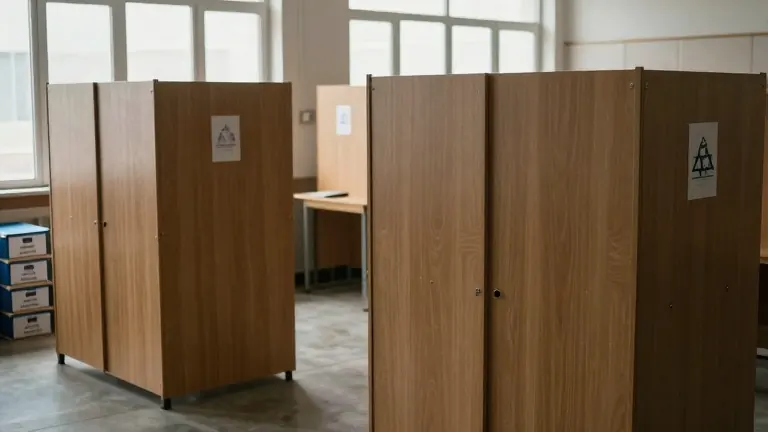
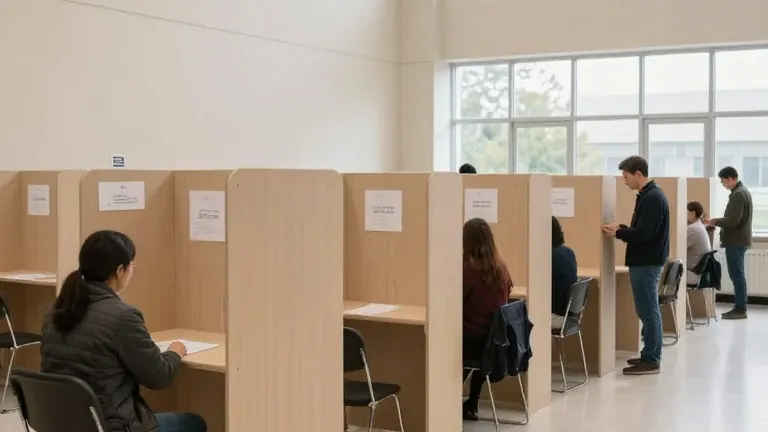
Israelis went to the polls Tuesday in a closely contested election that pits Prime Minister Benjamin Netanyahu against former military chief Gadi Eisenkot. The vote determines who will lead the country after three years of conflict that began with the Hamas attack on Oct. 7, 2023. Opinion polls indicate a tight race, with no single party guaranteed to secure a parliamentary majority.
The political landscape is fragmented. No party has ever won an outright majority in Israel, forcing leaders to build coalitions. Arab-led parties, which are pushing for high turnout, could become kingmakers if they choose to support one candidate over the other. If neither side secures enough seats, weeks of negotiations may follow before a leader is declared.
Tensions with Iran loom over the vote. Netanyahu issued new warnings to Tehran this week. In a video, he stood beside a missile-defense battery and stated that Israel would deliver "a devastating blow" if Iran attacked. These comments came as he sought to solidify support from his base in the lead-up to the election.
Emotions ran high as polling stations opened. In Kiryat Shmona, a Netanyahu stronghold near the Lebanese border, a man tore down a poster of Eisenkot. In Tel Aviv, families of victims from the Oct. 7 attack and former hostages observed a moment of silence. Yona Adam, whose daughter Mapal Adam was killed in the attack, urged voters to "remember all those whose voices are no more."
The election serves as a referendum on the direction of the state. Netanyahu’s supporters view him as a steady hand who has protected Israel’s Jewish identity and curbed an interventionist judiciary. His detractors argue he has dragged on the war in Gaza for political reasons while facing a corruption trial. Critics also accuse him of weakening the independent judiciary and allowing ultra-Orthodox Jews to avoid compulsory military service.
Eisenkot’s backers see him as a leader with strong security credentials. His son and two nephews were killed in Gaza, a loss that supporters believe gives him a deep connection to the national pain. Parties likely to join Eisenkot’s coalition have pledged to improve Israel’s international standing and to conscript ultra-Orthodox men. They also plan to bolster the independence of the judiciary.
Since the 2023 attack, Israel has faced increased isolation from traditional allies. Public support in the United States has dropped, and European partners have imposed sanctions in recent months. The vote offers a chance for Israelis to chart a new course after Netanyahu’s latest turbulent four-year term.
Source: KSAT-TV