Senate Advances Bill to Speed Energy Permits and Cap Datacenter Costs
A 73-25 vote clears a bipartisan measure that shortens approval timelines while requiring datacenters to pay for the electricity they use.
By Amit Chukwu ·

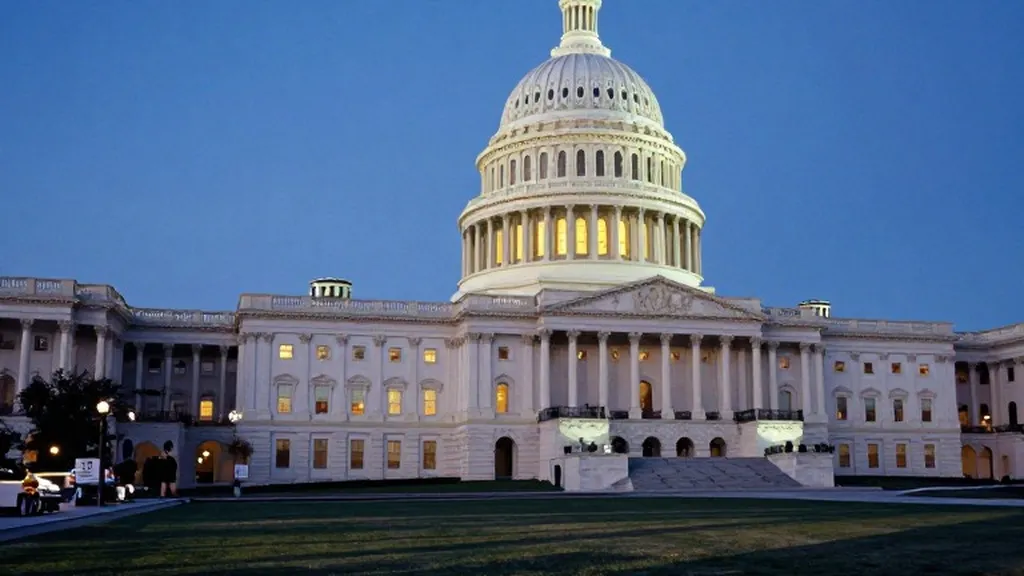
The Senate moved forward with a bipartisan bill to streamline energy permitting on Monday.
Senators voted 73 to 25 to take up the legislation, marking the chamber’s first major action since last week’s midterm elections. The proposal aims to address growing energy demand and long waits for projects to connect to the grid. It would shorten approval processes for both clean energy and fossil fuel developments. The bill also requires datacenters to cover the energy costs they generate.
President Donald Trump supported the measure in a Sunday social media post. He argued that faster construction of pipelines, mines, and power plants would boost American energy independence and lower household bills. Major industry groups from both the clean energy and oil and gas sectors back the proposal. The legislation responded to rising electricity bills and frustration over the power consumption of artificial intelligence datacenters. Democrats who campaigned on tighter controls for these facilities found the bill appealing.
Four senators negotiated the agreement before the election and released detailed amendments on Saturday. Republicans Shelley Moore Capito of West Virginia and Mike Lee of Utah, along with Democrats Martin Heinrich of New Mexico and Sheldon Whitehouse of Rhode Island, led the talks. Heinrich said the bill would save households billions in electricity costs, create jobs, and reduce emissions. He added that it would prevent corporations from shifting datacenter energy costs onto consumers. Capito urged lawmakers to act, noting that national energy production must increase in the coming years.
Environmental organizations oppose the deal. The Sierra Club and National Wildlife Federation object to restrictions on judicial review and changes to the National Environmental Policy Act and Endangered Species Act. These laws require federal agencies to assess project impacts and allow public participation before approval. Critics warn the bill could expand liquefied natural gas exports and accelerate the construction of gas-supplied datacenters.
The Democratic midterm gains may complicate passage in the remaining sessions of this Congress. Some Democrats want to use their stronger position to expand clean energy while constraining oil, gas, and mining development. Hakeem Jeffries, the House minority leader who is expected to become speaker in January, criticized the proposal last week. His office stated that the bill falls short in several areas.
More Politics · World news · Report a business · Got a Story?