How the 2026 Midterm Vote Unfolded: From Ballot Access to the Final Count
Democrats secured majorities in both chambers of Congress after a wave election that saw Republicans lose at least 42 House seats and seven Senate seats.
By Renata Mehta ·

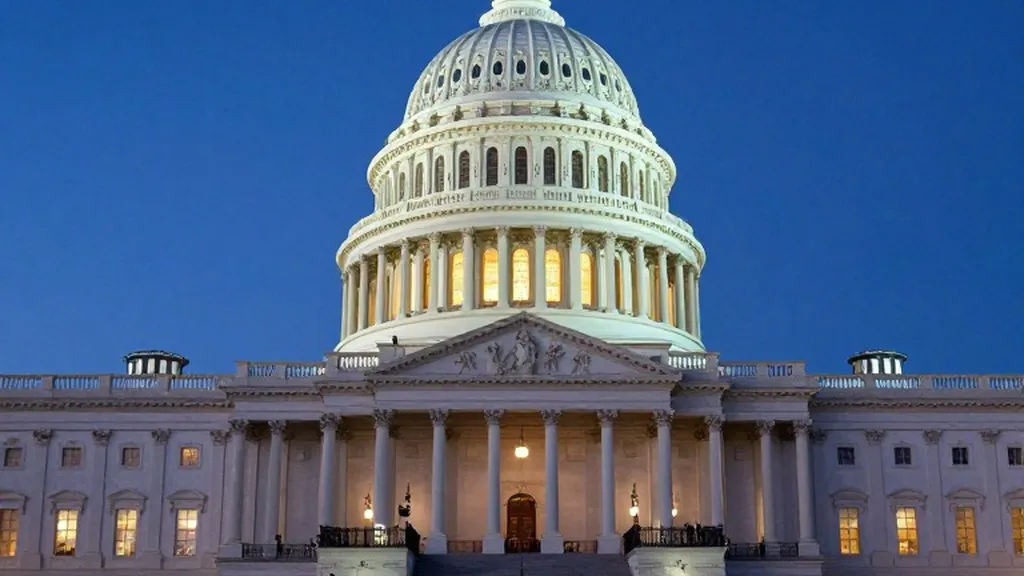
The 2026 midterm elections have concluded, with Democrats capturing majorities in both the U.S. House and the Senate. This outcome marks a significant shift in the balance of power, as Democrats picked up at least 43 House seats and seven Senate seats. All seven of these Senate seats were previously held by Republicans. The House majority for Democrats now stands at least 250 to 157, a position that provides them with the leverage to control legislative agendas and committee assignments. This result comes after a campaign period defined by intense scrutiny of federal policy and economic concerns.
Voters across the nation participated in the election on Tuesday, November 3, 2026, following a standard schedule that varied slightly by state. Most states operated polling places from 7 a.m. to 8 p.m., though some jurisdictions extended these hours. The election process relied heavily on the infrastructure established by the U.S. Election Assistance Commission, specifically the vote.gov website, which served as a central hub for voter registration and ballot lookup. This digital resource allowed citizens to verify their registration status and locate their assigned polling places with ease. The widespread use of these tools helped ensure that the voting process remained accessible to a broad demographic.
State identification rules played a critical role in the administration of the vote. Each state maintained its own list of acceptable forms of identification, ranging from driver's licenses to utility bills. These requirements were designed to verify voter identity while maintaining the integrity of the electoral process. For many voters, the act of presenting ID was a routine part of the day, reflecting a broader commitment to the procedural aspects of democracy. The consistency of these rules, despite their state-by-state variations, helped minimize confusion at the polls. Voters were generally well prepared, having checked their local requirements in the days leading up to the election.
The role of the United States Postal Service in handling mail-in ballots was a focal point of the election cycle. Millions of ballots were processed and delivered through the mail system, a method that has become a standard part of the American voting landscape. The Postal Service worked to ensure that these ballots arrived at their respective counting centers by the established deadlines. This logistical effort required coordination between federal postal workers and local election officials. The efficient handling of mail ballots contributed to the overall accuracy of the final results, ensuring that the will of the electorate was recorded without significant delay. The system proved robust under the pressure of a high-turnout election.
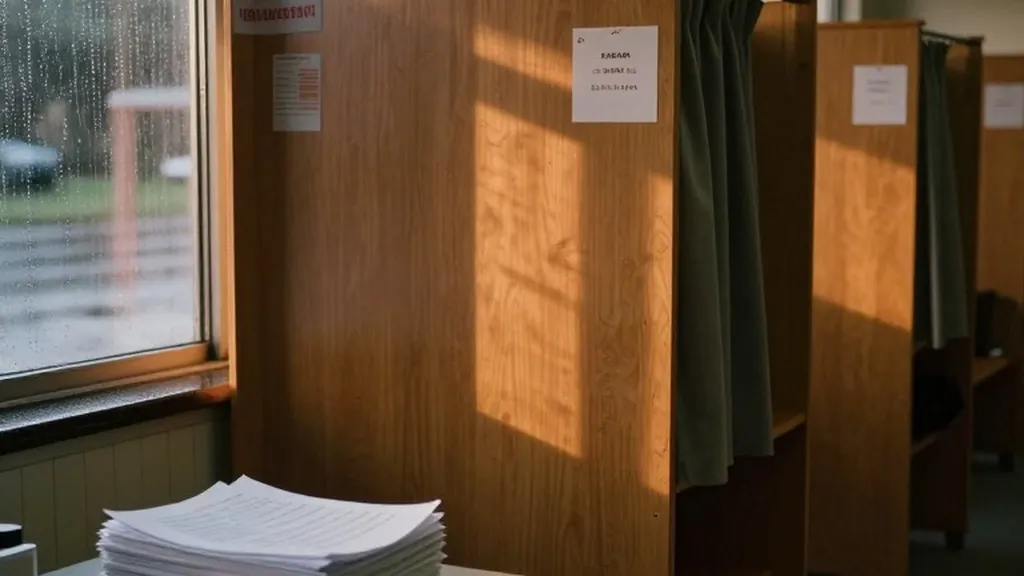
Line management and the physical experience of voting at polling places were also significant aspects of the day. In many urban and suburban areas, voters waited in lines that stretched beyond the polling station entrances. Local election officials implemented measures to keep the lines moving, including the use of multiple check-in stations and voting machines. The process of staying in line was a shared experience among voters, with many arriving early to avoid the peak hours of the afternoon. This orderly conduct highlighted the civic engagement of the electorate, even as they waited for their turn to cast a ballot. The atmosphere in most polling places remained calm and focused.
Republicans suffered a net loss of at least seven U.S. Senate seats, a swing that places this election year in the top 20% of all election years for seat changes against the president's party. This threshold is often defined as a wave election, indicating a strong shift in voter sentiment. In the House, Republicans lost at least 42 seats, a number that falls short of the 48 seats typically required to qualify as a full wave. However, the scale of the loss is still substantial and reflects a clear mandate for change. The results indicate that voters were motivated by a desire to shift the legislative balance away from the party in power.
Democrats also gained control of state-level power, winning a majority of governorships for the first time since before the 2010 elections. They secured 22 of the 36 gubernatorial races that were on the ballot, with five of these representing a change in party control from Republicans to Democrats. This shift in state leadership provides Democrats with additional avenues to influence policy, particularly in areas such as education and healthcare. The ability to control both state executive and legislative branches in more states strengthens their overall political position. This expansion of power is a key component of the post-election landscape.
The state legislative results further solidify the Democratic gains. Democrats won 46 of the 88 state legislative chambers that were contested, while Republicans won 39. One chamber went to a bipartisan coalition, and two remain uncalled. This distribution of power in state legislatures will have a direct impact on redistricting and state budget processes. The Democratic plurality in these chambers allows them to set the agenda for state-level legislation. This outcome is consistent with the federal results, suggesting a broad-based preference for Democratic leadership across different levels of government. The election results paint a clear picture of a national shift in political control.
President Donald Trump addressed the results and the implications for his administration in the days following the vote. He acknowledged the losses for Republicans while expressing confidence in his party's ability to recover. The President's focus remains on foreign policy and economic management, despite the change in the congressional makeup. His administration is expected to work with the new Democratic majority to pass key legislation. The dynamic between the executive and legislative branches will be a central theme in the coming months. The President's continued engagement with the process underscores the importance of bipartisan cooperation in a divided government.