Democrats Secure Double Majority, Taking Control of Congress
Republicans suffered historic losses on Tuesday, ceding both chambers to Democrats in a wave that reshapes the balance of power in Washington.
By Grace Almasi ·
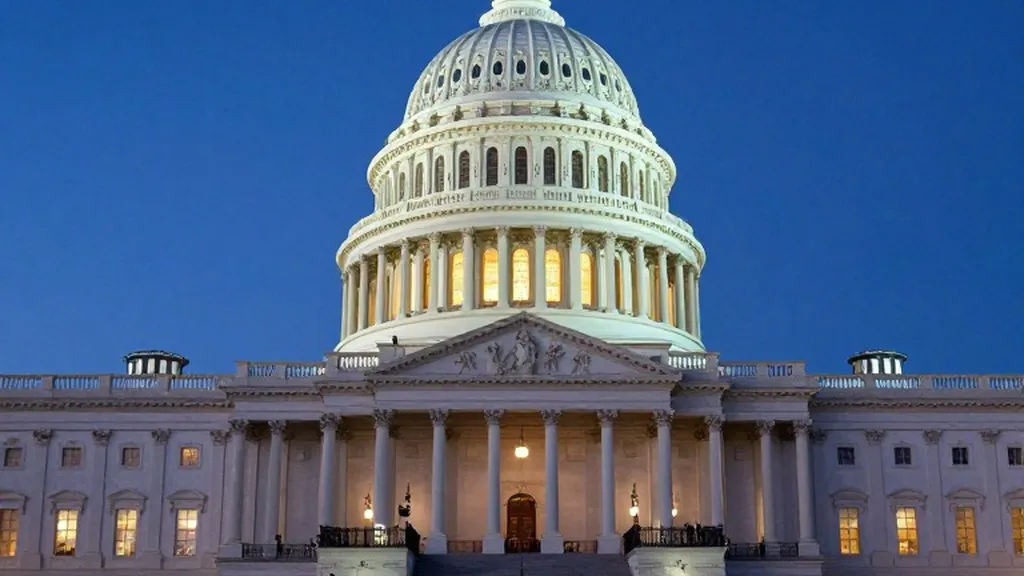
Democratic forces have seized control of both the United States House of Representatives and the Senate following the midterm elections held on Tuesday, November 3. The results, compiled by Ballotpedia, indicate that Democrats have picked up at least 43 House seats and seven Senate seats, all of which were previously held by Republicans. This significant shift places the Democratic Party in a commanding position for the next two years, ending the Republican hold on the legislative branch.
The new numbers suggest Democrats will hold at least a 250 to 157 majority in the House and a 54 to 44 majority in the Senate. These figures were recorded as of 4:00 p.m. Eastern Standard Time on November 6. The loss of at least seven Senate seats represents a major swing against the president's party, placing this election in the top 20% of historical midterm years for such losses. While the House loss of 42 seats is slightly below the threshold typically defined as a wave election, the Senate results have already met that high bar for significant political change.
This outcome marks a pivotal moment for the economy and national security, areas where many voters expressed concern. The Democratic Party won a majority of governorships for the first time since before the 2010 elections. They also secured a plurality of state government trifectas and state legislative chambers. This broad success across both federal and state levels suggests a unified mandate for the new leadership to address the priorities of their constituents.
President Donald Trump, who faced these elections during his second term, saw his party suffer a substantial setback. The net loss of seats in both chambers will force the administration to navigate a Congress that is now fully controlled by the opposition. This shift in power dynamics will likely influence the pace and direction of legislative efforts, particularly regarding budgetary matters and oversight of federal agencies.
The implications for border security and economic policy are now immediate. With Democrats holding the purse strings in both chambers, they will have the authority to shape spending bills and investigations. This new control allows them to scrutinize the actions of the Trump administration, including decisions made by key figures such as Defense Secretary Pete Hegseth. The ability to issue subpoenas and hold hearings becomes a potent tool for the new majority as they settle into their roles.
Republicans, while losing their majorities, still hold significant influence in certain state legislatures and local offices. However, the national narrative is now dominated by the Democratic victory. The party's success in flipping multiple Senate seats and a large number of House districts indicates that the electorate sought a change in direction. This result provides a clear signal to the White House that legislative cooperation will be essential for passing major initiatives.
The new Democratic leadership in the House will be led by Rep. Hakeem Jeffries, who has already signaled support for key initiatives, including the impeachment resolution for Defense Secretary Pete Hegseth. This resolution, introduced by Rep. Thomas Massie, highlights the immediate tensions between the executive and legislative branches. The House is expected to vote on this measure by mid-week, setting the stage for a potential trial in the Senate, where Republicans still hold a temporary majority until January.
State-level results further underscore the breadth of the Democratic wave. In California, Xavier Becerra won the governor's race, becoming the state's first elected Latino governor and the fifth consecutive Catholic to hold the office. His victory reflects the complex political landscape of the state, where Catholic voters, particularly Latinos, played a decisive role. Becerra's win adds to the list of states where Democrats have secured key executive positions, strengthening their hand in national governance.
The economic outlook now hinges on the ability of the new Congress to pass legislation that addresses inflation and job creation. Democrats have vowed to use their appropriations powers to rein in federal spending and protect domestic industries. This focus on the economy is expected to drive the legislative agenda in the coming months. The new majority will also look to leverage federal funding to influence policy areas such as education and healthcare, where they have expressed strong opinions.
Looking ahead, the January convening of the new Congress will solidify these majorities. Until then, the current Republican-led body will manage its final weeks of power. The transition of control will be a critical period for both parties as they prepare for the next two years of governance. The results of November 3 provide a clear directive from the voters: they want a new approach to managing the nation's affairs, with an emphasis on accountability and economic stability.
The final tally of the elections will continue to be updated as all districts are certified. However, the current numbers already paint a picture of a transformed political landscape. The Democratic Party's ability to coordinate across state and federal lines will be tested in the months to come. For now, the focus shifts to the implementation of their platform and the challenges they face in governing with a divided executive branch.