Tesla Confirms 2027 Timeline for Owner-Operated Robotaxis
The new feature will only function within specific city zones where Tesla currently runs its managed fleet.
By Kavya Kapoor ·
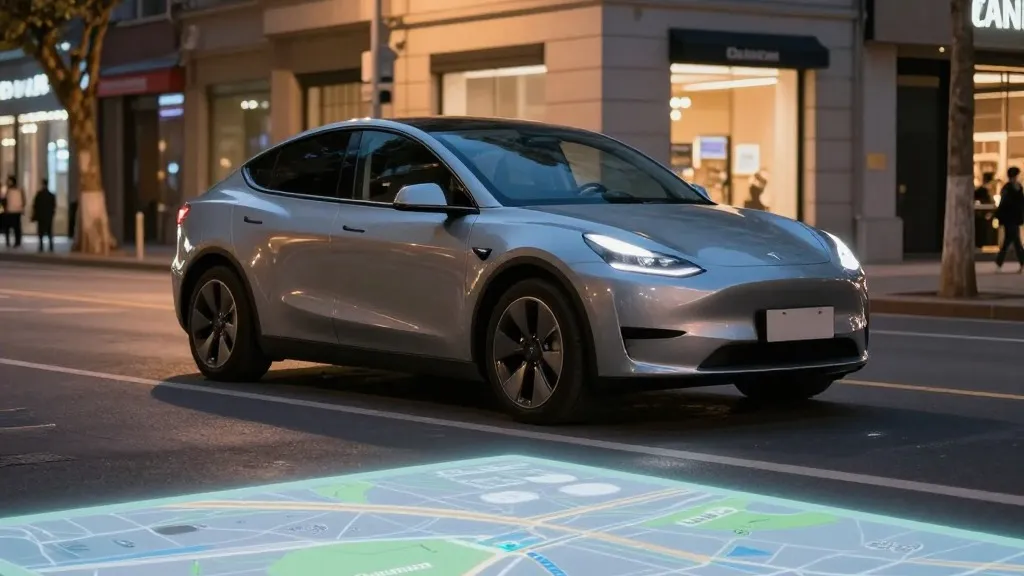
Tesla has set a firm target for the second quarter of 2027 to launch unsupervised Full Self-Driving in customer-owned vehicles, a milestone that arrives with significant geographic limitations. During the company’s third-quarter 2026 earnings call, AI chief Ashok Elluswamy clarified that the rollout will not allow owners to drive anywhere they choose. Instead, private cars will effectively join Tesla’s managed Robotaxi network, meaning autonomous operation is restricted to areas where the company already runs its own service.
This specific timeline emerged from a direct inquiry by retail shareholders who hold approximately 1.1 million shares. When asked when they could expect unsupervised FSD in their personal cars, Elluswamy provided the 2027 date. His explanation shifted the focus from a general software update to a more specific integration with the existing Robotaxi infrastructure. The implication is that a vehicle’s ability to drive itself without a human monitoring the road is tied directly to the company’s current operational boundaries.
Those operational boundaries remain relatively small. Tesla’s Robotaxi service currently operates in six U.S. metropolitan areas, though the active zones often cover only small portions of those cities. For example, the service in Miami is concentrated in West Miami and extends slightly toward Doral and Sweetwater. Similar small geofences were established for Orlando and Tampa in July. Within these areas, the vehicles generally avoid highways and stick to lower-speed routes to manage complexity and safety.
Regulatory hurdles also shape the rollout. In the Bay Area, unsupervised driving is not yet permitted because California rules require a safety driver in the vehicle. Tesla has not released the necessary data to the California DMV to move beyond a level 2 autonomous system, a step that is mandatory for higher levels of autonomy. This regulatory stance contrasts with competitors like Waymo, which has already secured driverless deployment permits in several markets.
The scale of the current Robotaxi fleet provides further context for the 2027 promise. Tesla reported nearly 2 million cumulative unsupervised miles by the end of the third quarter, a figure that includes the Cybercab model which joined the Austin fleet last month. However, third-party tracking suggests the number of fully driverless vehicles on the road is still in the dozens. This stands in contrast to the hundreds of thousands of vehicles that CEO Elon Musk previously discussed, and it lags behind Waymo, which has logged over 3 million miles in the same regions.
The shift in strategy marks a departure from the original marketing pitch for FSD. For years, buyers were told that a future software update would enable their cars to drive themselves anywhere. In July 2025, Musk indicated that unsupervised personal use would be available in certain geographies by the end of that year. Now, the product is narrower: owners’ cars will operate as part of the company’s fleet, on its terms, and only within its designated zones. This development leaves some owners, particularly those with older hardware, waiting for a clear upgrade path while the goalposts continue to move.
Source: Electrek