Trump Weighs Next Steps in Iran Conflict After Midterm Loss
With Democrats gaining control, the President faces choices ranging from a naval blockade to deep strikes on nuclear sites.
By Amit Chukwu ·
President Donald Trump faces a difficult decision on how to proceed with the eight-month war against Iran following the Republican Party’s loss in the midterm elections. The conflict, which many voters cited as a reason for their dissatisfaction, has now reached a critical point for both the U.S. and the Middle East.
In his first public remarks on Wednesday, Trump agreed with Vice President JD Vance that the war contributed to the political setback. Trump stated, “It’s largely true because it drove gasoline up a little bit.” However, he maintained his original strategy. “At the same time, if I had to do it again, I'd do it again,” he said.
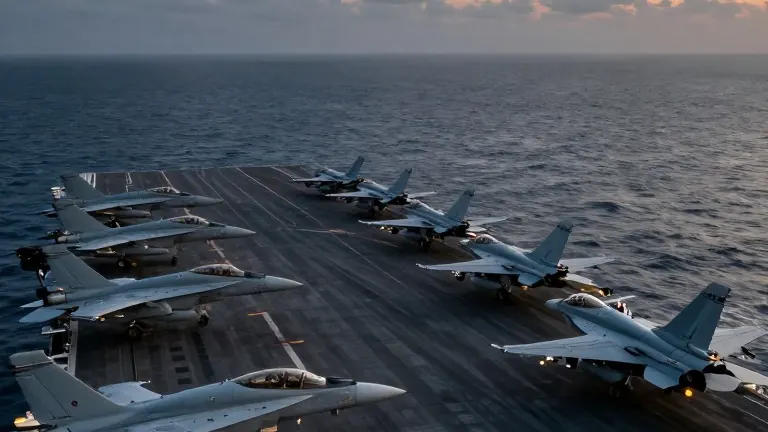
The war has caused tens of billions of dollars in regional damage. Oil flows from the Strait of Hormuz continue with U.S. Navy escorts, but fighting has expanded into the Red Sea. Iran-backed Houthi rebels are attacking Saudi infrastructure and Yemeni civilians, worsening the humanitarian crisis in the region.
Analysts suggest Trump has three main options. One is to maintain the current posture of defensive strikes and a naval blockade to restrict Iranian oil. Another is to strike the Pickaxe Mountain facility, a deep underground nuclear site in central Iran. David Schenker, who served as assistant secretary of state for Near Eastern affairs in Trump’s first term, noted that hitting that target could allow the U.S. to claim sufficient damage to Iran's nuclear program.
Schenker said a “fig leaf agreement” could then restore navigation in the Strait of Hormuz and offer sanctions relief. A third option involves massive attacks on Iranian infrastructure, fulfilling threats Trump made earlier in the conflict. Schenker warned that such escalation would likely raise oil prices, a primary concern for voters who supported Democrats on Tuesday.
Brent crude oil prices fell below $95 on Wednesday, marking a two-month low. This market reaction suggests traders do not expect immediate, large-scale strikes. Israeli Prime Minister Benjamin Netanyahu pressed Trump for renewed strikes during a weekend phone call, but the President did not commit to action.
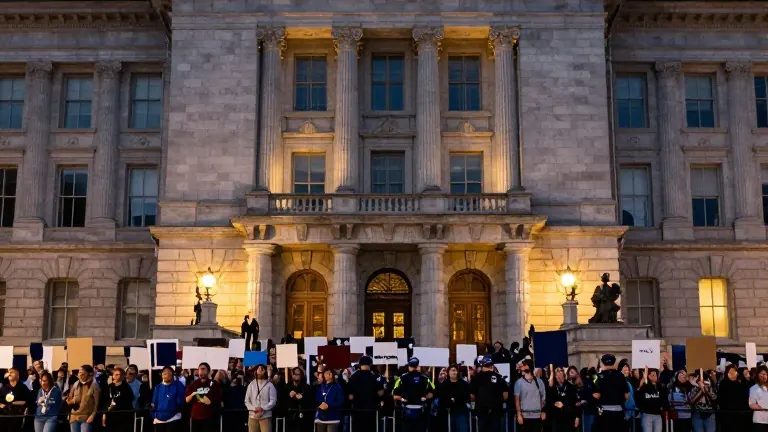
Vance, a potential 2028 presidential candidate, blamed the loss directly on the conflict. “The reason we lost,” Vance wrote in a social media post, “is the war.” In Iowa, Sen.-elect Josh Turek said voters told him they struggled to keep gas in their tanks due to the war. An AP Voter Poll of more than 100,000 voters found that about 6 in 10 said the U.S. made the wrong decision in going to war with Iran.
While the war was a major issue, it was not the top priority for most voters. About one-third called the conflict crucial to their congressional vote, a lower figure than those citing cost of living or government corruption. Nearly all voters who backed Democratic House candidates said the war was a mistake, while about 8 in 10 who backed Republicans said it was the right decision.
Source: KPRC-TV