20,000: The Weekly Output Target Driving Tesla's New Robot Manufacturing Shift
Tesla is repurposing its Fremont facility to produce tens of thousands of Optimus robots weekly, utilizing an internal academy system to accelerate AI development.
By Thomas Reynolds ·
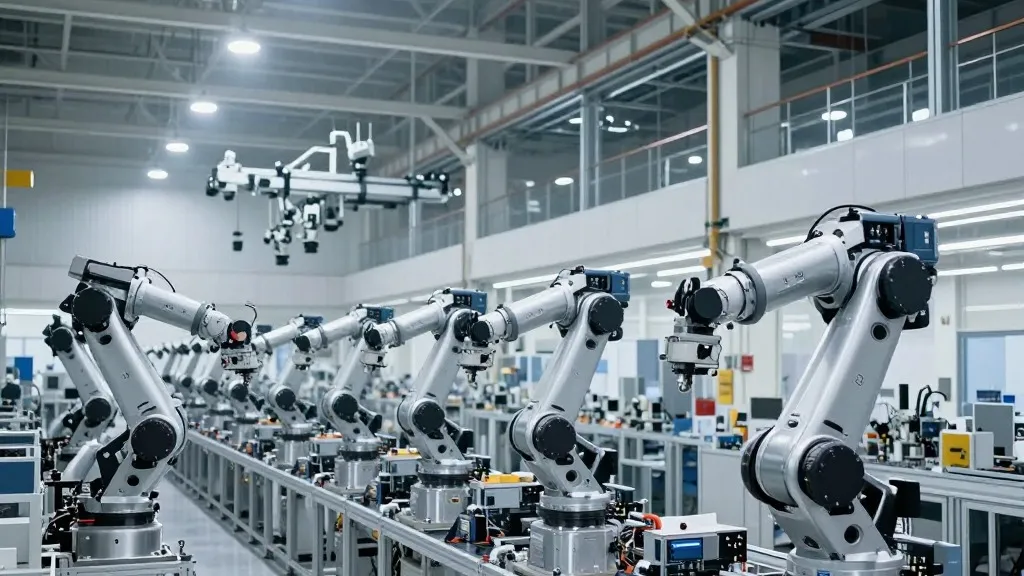
Tesla projects a manufacturing capacity of approximately 20,000 humanoid robots per week, a figure that underscores the aggressive scaling of its Optimus program. This output target represents a significant industrial shift, moving the company from experimental prototypes to a high-volume production model that mirrors its automotive success. The company has confirmed that the units currently exiting the line meet the quality standards required for a commercial product, marking a distinct transition in the development lifecycle.
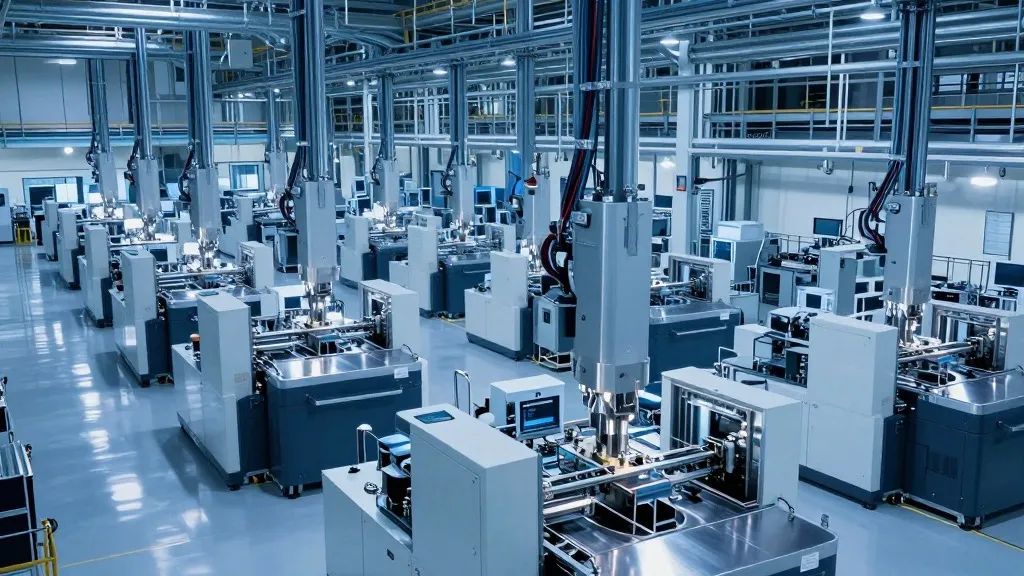
The production floor for these units is located within the Fremont factory, occupying space previously dedicated to the Model S and Model X vehicle lines. Tesla cleared the legacy vehicle assembly line in just 46 days this spring to accommodate the new robot infrastructure. The facility is currently configured to support an annual output of one million units, with most of the necessary equipment already installed on-site. Executives indicate that while the initial ramp-up will be gradual, the infrastructure is in place to support substantial growth in output levels over the coming months.
CEO Elon Musk outlined the strategic rationale for this expansion during the company’s third-quarter earnings call, describing the production trajectory as a standard S-curve. He noted that the initial phase involves a shallow slope, focusing on refining the robot’s artificial intelligence, electromechanical design, and long-term reliability. The engineering team aims to complete these refinement processes by the end of next year. Upon completion, Tesla intends to begin delivering the Optimus units to external partners for deployment in environments characterized by hazardous, repetitive, and continuous labor requirements.
A critical innovation in the development process is the establishment of an internal Optimus Academy. Unlike Tesla’s autonomous vehicle program, which relies on data from millions of cars on public roads, the robot program lacks a comparable external fleet for training. To address this data gap, Tesla plans to utilize 10,000 to 20,000 robots within the academy to practice diverse tasks. The insights gained from these simulations and practical exercises are intended to feed directly into subsequent software updates, effectively allowing the robots to teach themselves and improve the collective intelligence of the platform.
Hardware advancements are also slated for the near term, with the integration of the AI5 chip into the Optimus design planned for next year. Tesla anticipates releasing new video content within one or two months that will demonstrate the robots performing tasks driven by artificial intelligence rather than preprogrammed motions. This development is positioned as a direct response to competitor demonstrations that Musk argues rely too heavily on scripted routines that may not perform reliably in unstructured real-world settings.
The supply chain infrastructure is aligning with these manufacturing goals, following the September certification of Tuopu, Joyson, and Sanhua as mass production partners for key components. A much larger dedicated facility is also under construction at Giga Texas, where recent drone footage indicates the steel framework is nearing completion. Musk has set a long-term target for this plant to produce 10 million robots annually. Additionally, executives noted that production costs are trending toward the expected manufacturing cost of the Cybercab, while current engineering efforts remain heavily focused on perfecting the robot's hands, which remain the most complex element of the design.
Source: Teslarati