Mother of three seeks dismissal after jury deadlock
Attorneys argue a holdout juror’s behavior and the judge’s handling of the jury warrant a new look at the case.
By Amit Chukwu ·
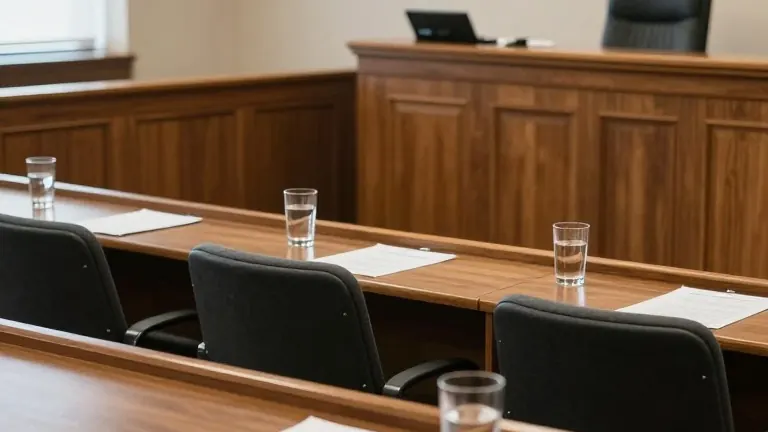
Lindsay Clancy appeared in Plymouth, Massachusetts, on Monday, November 2, to ask a judge to drop the charges alleging she murdered her three young children. The hearing marks the second time the 36-year-old mother has faced the court since her trial ended in September with a hung jury. Defense lawyers are pressing for a dismissal based on double jeopardy, a legal doctrine that generally prevents a person from being tried twice for the same crime.
Clancy does not dispute that she killed her children in 2023. Her legal team contends that postpartum psychosis prevented her from controlling her actions. Prosecutors acknowledge that Clancy suffered from mental health issues but maintain she acted deliberately and understood her conduct was wrong. The case has drawn intense public attention since the mistrial, with Clancy’s attorneys holding daily news conferences while the state has remained largely silent to the press.
The legal dispute centers on how Judge William Sullivan managed the jury’s final hours. In September, the jury foreperson sent two notes to the judge, indicating that one juror was not following the rules. Sullivan spoke individually with each juror, reminded them of their duties, and explained the concept of reasonable doubt. He asked if they could apply the law, and all jurors affirmed they could. The judge then allowed deliberations to continue until the jury deadlocked.
Defense attorney Martin G. Weinberg argued that Sullivan should have investigated further. Weinberg suggested that separate questioning of the foreperson might have revealed grounds to remove the holdout juror, Michael Desronvil, and avoid the mistrial. “That’s what the foreperson was asking the court to do,” Weinberg said. He noted that a juror could claim to follow the law while actually lying about their position in the room.
Prosecutor Jennifer Sprague countered that the judge struck the right balance. She argued that pressing the foreperson further would have intruded into the private substance of the deliberations. “You were the one who looked them in the eyes and asked them the questions and was in the best position to judge their credibility,” Sprague told Sullivan. She added that the holdout juror did not refuse to deliberate, but simply refused to agree with the majority.
The proceedings grew tense when defense attorney Kevin Reddington publicly identified Desronvil by name. Reddington accused the juror of using a cellphone to research terms related to the case and of being untruthful about his criminal history during jury selection. Sullivan repeatedly intervened, telling the attorneys to lower their voices and eventually calling them to a sidebar. Reddington described the juror’s conduct as a “fatal infection” of his integrity, a phrase that drew objections from the prosecution.
Desronvil, who has said he was certain of Clancy’s guilt but felt unheard, is central to the defense’s argument. The state argues that double jeopardy does not bar them from seeking justice for the three victims. They contend that because the foreperson’s complaint did not allege personal bias or extraneous matters, a deeper investigation into the dissenter would have been an impermissible intrusion. They maintain the juror’s disagreement stemmed from a different assessment of the evidence.
A second motion is also pending, seeking a gag order. The Commonwealth wants to bar attorneys and their supporters from making public statements that could materially prejudice the criminal proceeding. Clancy’s team, including attorney Laura McConnell, argues this constitutes prior restraint. McConnell wrote that the government bears a heavy burden to justify such an order, especially given that there is currently no jury and no set trial date. Sullivan took both motions under advisement and said he would issue a decision as soon as possible.
The outcome of these motions will determine whether Clancy faces a second trial. If the judge grants the dismissal, the state may need to appeal or drop the case entirely. If the motions are denied, the prosecution will move forward with selecting a new jury. Clancy remains free pending the judge’s ruling, continuing to argue her innocence based on her mental state at the time of the killings.
Sullivan’s decision is expected soon. Until then, Clancy’s legal team will likely continue their public commentary, while the prosecution prepares for the next phase of the legal battle. The case highlights the complex intersection of mental health, jury dynamics, and the limits of the double jeopardy clause in high-profile criminal trials.
Source: KSAT-TV