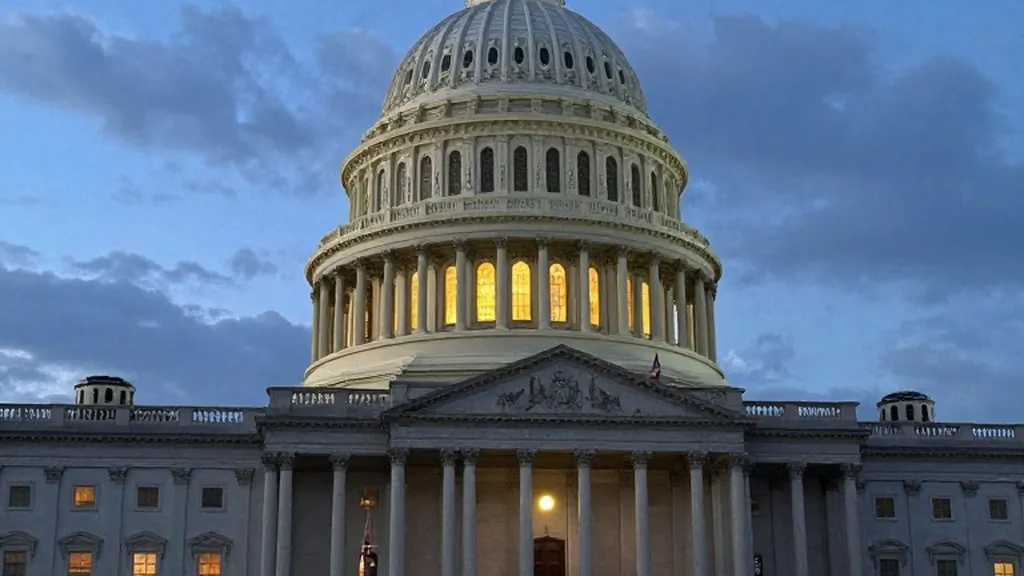
Midterm pattern holds as Democrats flip 42 House seats and take Senate control
The president's party lost ground in 2026, with Republicans shedding seats in the House and Senate despite a significant spending advantage.
By Amit Chukwu ·
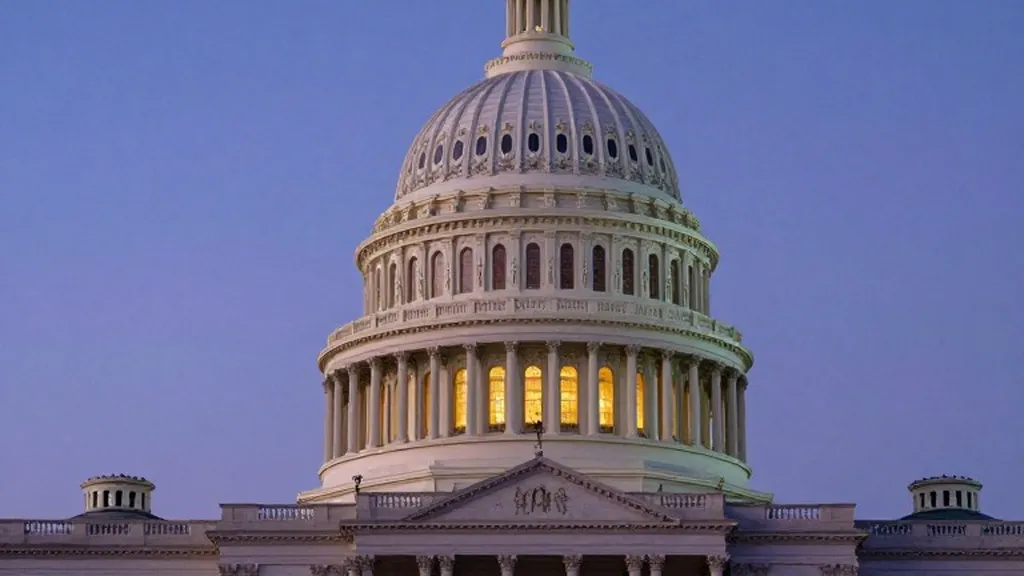
The 2026 midterm election results confirm a long standing political pattern: the party of the sitting president almost always loses seats. In this cycle, Republicans, who held the White House and a majority in both chambers of Congress, suffered significant losses. Democrats gained control of the U.S. Senate and expanded their majority in the U.S. House of Representatives. According to Ballotpedia, Democrats picked up at least 43 House seats and seven Senate seats. This shift places Democrats in command of both federal chambers as of the final tallies reported on November 6.
The loss of 42 House seats for Republicans falls short of the 48 seats needed to qualify as a wave election under historical definitions. However, the net loss of seven Senate seats places this year in the top 20 percent of election years in terms of seat swings against a president's party. The U.S. House has not yet reached that specific historical threshold, but the direction of the swing is clear. Democrats will hold at least 250 seats in the House and 54 seats in the Senate, creating a unified front for the next two years.
Both parties attempted to counter the historical trend with specific strategies during the campaign. Republicans leaned heavily on a financial advantage, spending roughly 60 percent more than Democratic aligned groups in the Senate race alone. Outside groups and independent committees spent at least $2 billion in the Senate battle, separate from candidate expenditures. Despite this outspending, Republican affiliated groups could not prevent the loss of at least seven seats. The strategy relied on the belief that money could offset voter dissatisfaction, but the results suggest the economic backdrop played a larger role.
Democrats focused their messaging on the cost of living and government performance. An Associated Press voter poll conducted before the election found that three quarters of voters said the economy was not so good or poor. About eight in ten said inflation had caused a severe or moderate financial hardship for their households. These economic concerns ranked higher than other issues such as immigration enforcement or the war in Iran. The polling indicated that frustration with the country's direction was widespread, with about three quarters of voters feeling angry or dissatisfied with the current trajectory.
The campaign also highlighted the president's direct involvement. President Donald Trump urged voters to treat the election as if he were on the ballot, a common tactic in midterm cycles. He visited red states including Kansas, Mississippi, and South Carolina to energize the base. His aggressive schedule was a response to his party's historical struggles in turning out low propensity voters when he is not running for office. The goal was to boost Republican turnout in districts that had voted for him two years prior, but the overall result showed a net decline in their congressional strength.
State level races mirrored the federal trends. Democrats won full control of state governments in at least six states where they previously shared power with Republicans. These wins included battleground states such as Michigan, Minnesota, Pennsylvania, Nevada, and Wisconsin. In Arizona, Democrats secured a trifecta for the first time since 1966, taking both legislative chambers and retaining the governor's office. This marked a significant shift in a state where Republicans had held the House for 60 years and the Senate since the early 1990s.
The changes in state power have already begun to impact policy. In Texas, Democrats won control of the state House and elected Gina Hinojosa as governor, ending a long period of Republican control. This victory allowed for immediate shifts in local enforcement priorities. In Houston, Mayor John Whitmire directed police to limit cooperation with federal immigration authorities, a move he attributed directly to the Democratic reclaiming of power in the state. The new directive limits when police contact Immigration and Customs Enforcement, focusing on jailable offenses rather than administrative warrants.
The National Council of State Legislatures indicates that this election is likely to be the one with the most legislative seats and chambers changing parties since 2010. That previous cycle saw Republicans take over governments across the country during the Great Recession. This symmetry in history underscores the cyclical nature of American politics. The 2026 results show that when the president's party faces economic headwinds and high voter dissatisfaction, the opposing party can overcome structural disadvantages and spending gaps to gain control of the legislative agenda.
The incoming Democratic majority will face immediate scrutiny on several fronts. In the House, leaders are already focusing on reversing trade policies and increasing oversight of the executive branch. The unified control of Congress will allow for smoother passage of legislation compared to the divided government of the previous two years. The results also set the stage for a competitive 2028 presidential primary, as the party seeks to identify a candidate who can translate this midterm momentum into a White House victory.