Lunar Ambition: The Cost of Getting There
New data suggests that more rocket launches are needed to fuel a moon landing than previously estimated, raising questions about the timeline for Artemis.
By Khalid Rahman ·
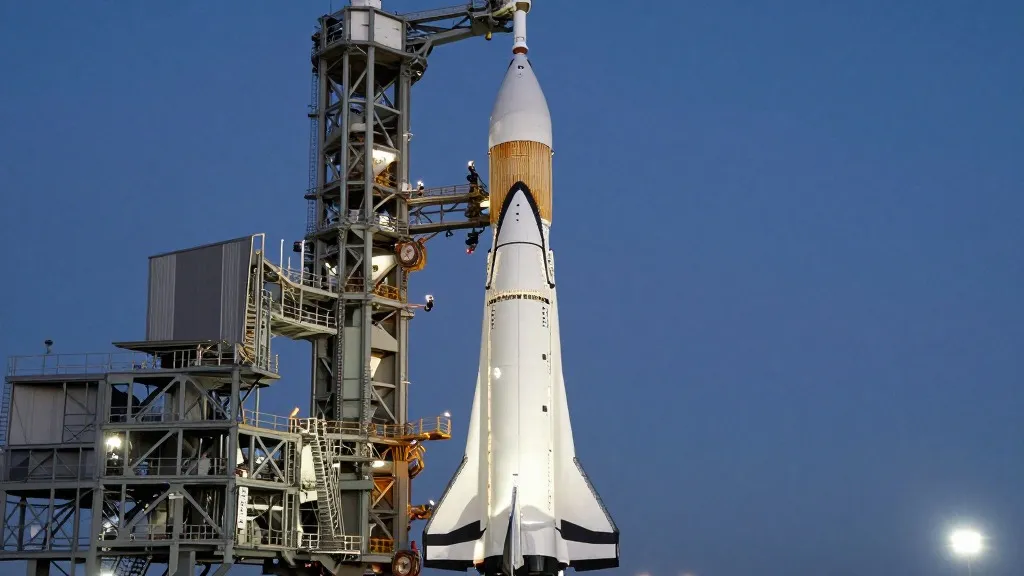
NASA protects a specific number with unusual care. It is not a secret code or a classified budget. It is the count of rocket launches needed to send people to the Moon. The agency has long resisted sharing this figure, often claiming uncertainty. Now, a new estimate has surfaced, and it is higher than many hoped.
The number in question is the total Starship launches required to fill a lunar lander with fuel. This lander must travel from low-Earth orbit to the Moon, land, and return. It needs liquid oxygen and methane for the journey. Each launch adds to the cost and complexity. The goal is to keep this number as low as possible.
In 2023, Lisa Watson-Morgan, then the director of NASA’s Human Landing System, addressed the topic. She told reporters that the agency had a general idea. However, she was reluctant to state an exact number. She later described the range as being in the high single digits to the low double digits. This suggested about a dozen launches. That means one depot ship and eleven tanker ships would be required. Other officials have previously cited figures in the high teens.
The hope was always that SpaceX would improve the Starship rocket’s capacity. A larger payload per launch would mean fewer tanker flights. Fewer flights would mean lower risk and faster progress. But recent signals suggest this improvement may not come soon enough. Some NASA officials are concerned that Starship might not play a key role in returning humans to the Moon this decade.
On Thursday, the NASA Aerospace Safety Advisory Panel held its quarterly meeting. Panel member Charlie Precourt, a former NASA astronaut, spoke about the risks. He discussed the challenges of landing humans on the Moon as part of the Artemis Program. His remarks highlighted the tension between ambition and logistical reality.
The Artemis Program aims to return astronauts to the lunar surface. It has been a long-term goal for the United States. The use of Starship is central to the current plan. SpaceX builds the rocket and the lander. NASA funds the effort and manages the overall mission. The relationship relies on tight schedules and steady progress.
If the number of launches is higher than expected, the mission becomes more complex. More launches mean more opportunities for error. They also mean more time waiting for parts and crew. The timeline could slip. This is a significant concern for leadership in Washington. The public expects results, not just plans.
The new estimate adds pressure to the program. It forces a closer look at the resources required. It also raises questions about the pace of development. SpaceX must deliver on its promises. NASA must manage its expectations. Both sides know that the Moon is a harsh and distant place. Getting there is not easy.
For readers in Texas and the South Central states, this story matters. Spaceports and manufacturing sites in the region are key to the effort. The economy depends on the success of these launches. Every additional rocket flight impacts local infrastructure and employment. The stakes are high for the region as well as the nation.
The path to the Moon is paved with numbers and logistics. The latest data suggests a longer, harder road than some thought. NASA continues to work through the details. The next few months will reveal if the timeline holds. For now, the focus remains on keeping the dream alive while managing the costs.
Source: Ars Technica